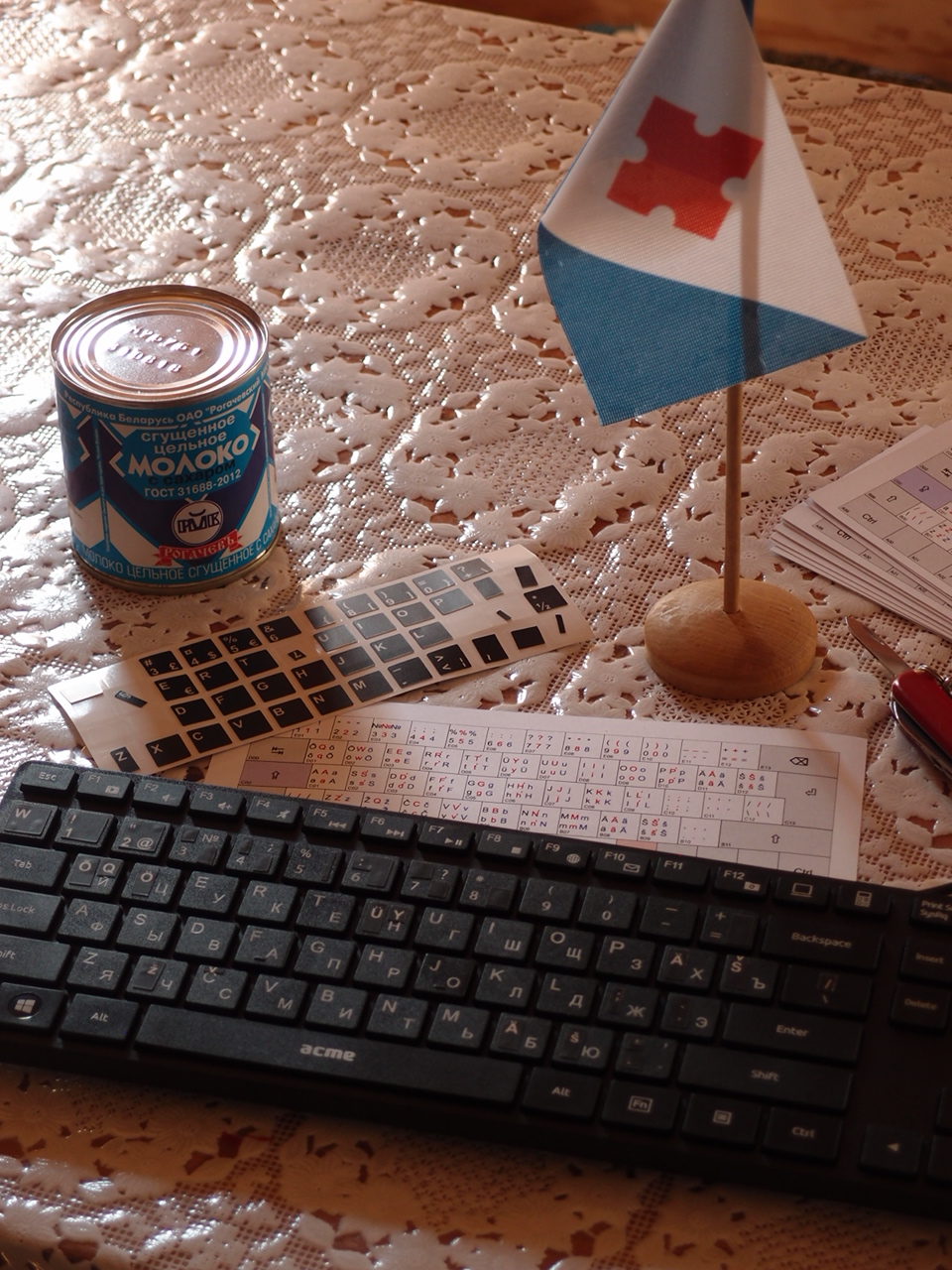
I find that translating software is an interesting way to engage a language community. Translating software, that is localizing it, contains several aspects:
- If the software is attractive, it can automatically make the language attractive too
- Because translating software changes the look of the software, it can make the process of translating feel like software development, and this can disguise the use of language in a fun and engaging activity.
- Localizing software into a community’s language can make the community feel they receive something. And if the software is modern and hip, this can boost the community’s feel of its language prestige.
- Because software and computers are often a new field for a language, the localizing process can inevitably also modernize the language’s vocabulary and coin many new words, which can be a fun creative activity.
Translating software can be as simple as translating a text is. Or it can be hard(er) and have technical obstacles such as placeholders for morphological re-inflections. I think the level of challenges can feed motivation to different translators in the language community: technicalities can motivate otherwise unmotivated students because they get a sense of developing software instead of merely translating it. Translating the longer prose texts of a software gives more context to the words that are translated and can thus motivate those students who are not interested in this development aspect.
Coining new words (for example, how do you call “downloading“, “create account” or “join email list“?) can be problematic and rise conflicts in the community. The conflict often arises between the wanting to use and coin new own words and directly loaning the expressions from the source language, be it English, Russian, a kindred language or any other language. Although this is a very real problem, I believe that translating a piece software helps to mitigate this problem. Translating software is different from language planning because the software already functions with or without the language. I have tried to solve this sort of conflict by focussing on getting the software to quickly function in the community’s language and worry about details later. In fact, I started out translating Common Voice by simply copying the Russian translations. For the Votic community being able to see piece by piece and button by button the Russian text be replaced by Votic motivated the community to move on and really “worry about details later”.
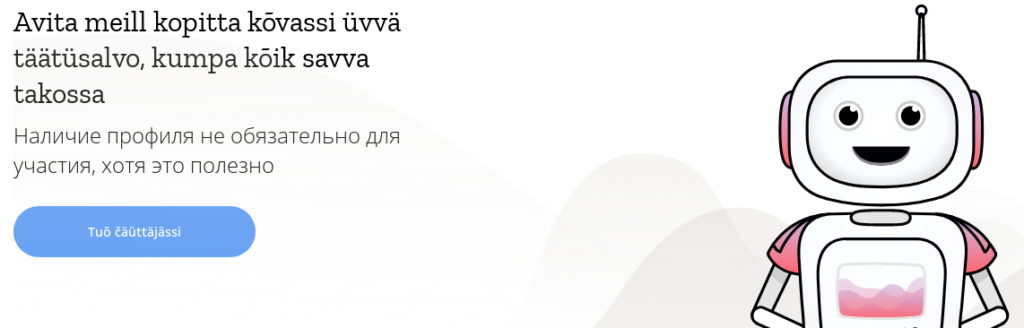
The Votic Common Voice is available at https://voice.mozilla.org/vot.